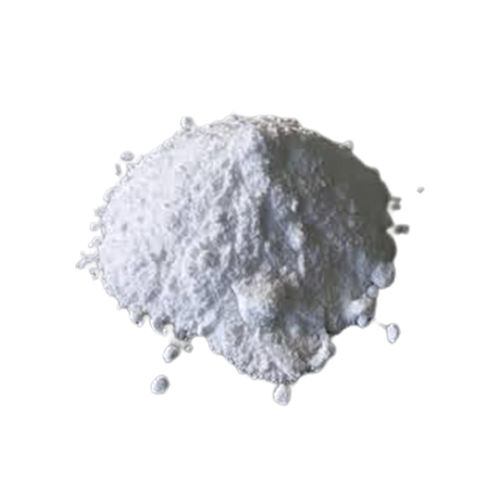
About Sodium Azide
Sodium Azide is an inorganic compound with the formula NaN3. This colorless salt is the gas-forming component in some car airbag systems. It is used for the preparation of other azide compounds. It is an ionic substance, is highly soluble in water, and is acutely poisonous.
Versatile Chemical ApplicationsSodium Azide serves multiple functions, ranging from laboratory reagents and preservatives to critical components in airbags and explosives. Users across the chemical, automotive, and research industries value its highly reactive nature and efficacy at preserving samples or triggering rapid gas generation.
Safety and Handling PrecautionsGiven its classification as a toxic substance (Class 6.1) and potential to explode when mishandled, Sodium Azide requires stringent safety protocols. Proper storage-cool, dry, and sealed containers-ensures stability, while personal protective equipment (PPE) and careful process management help mitigate risk during use.
Quality and CustomizationWith a purity level of at least 99.0% and packaging in customizable 25 kg drums, this reagent-grade sodium azide meets rigorous standards expected by laboratories and industrial users. Its fine mesh (200 mesh) makes it versatile for specific procedures and consistent in performance over its 3-year shelf life.
FAQ's of Sodium Azide:
Q: How should Sodium Azide be safely stored?
A: Store Sodium Azide in a cool, dry place with the container tightly sealed. Proper ventilation and segregation from incompatible materials are necessary to prevent accidental decomposition or reactivity.
Q: What are the primary industrial and laboratory uses of Sodium Azide?
A: Sodium Azide is widely used as a laboratory reagent, as a preservative, an explosive component, and most notably as an airbag propellant due to its ability to rapidly generate nitrogen gas when triggered.
Q: When does Sodium Azide lose its stability or effectiveness?
A: While Sodium Azide is stable for up to 3 years under recommended storage conditions, exposure to heat, moisture, or incompatible chemicals can compromise its effectiveness and safety.
Q: Where does Sodium Azide find application in safety devices?
A: Sodium Azide is crucial in automotive airbag systems, where it reacts to produce a rapid burst of nitrogen gas, inflating the airbag during collisions.
Q: What is the process for safely handling Sodium Azide in the laboratory?
A: Always use appropriate personal protective equipment, such as gloves and eyewear, in a well-ventilated area. Avoid physical shock, friction, and proximity to heavy metals or acids that may cause hazardous reactions.
Q: How does using Sodium Azide benefit laboratory research?
A: Its high purity and reactivity make Sodium Azide a reliable reagent for chemical synthesis, biological assays, and sample preservation, supporting precise and reproducible research outcomes.





 Send Inquiry