About Ferric Chloride Anhydrous
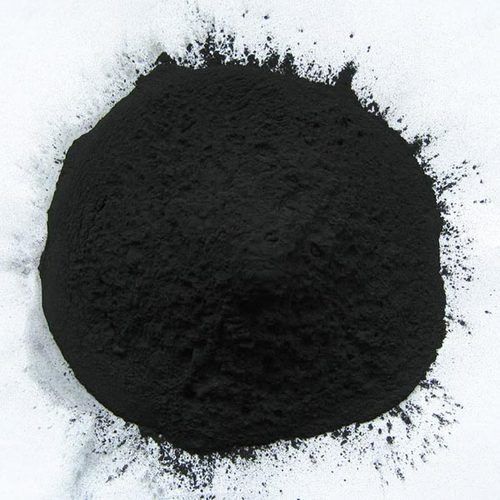
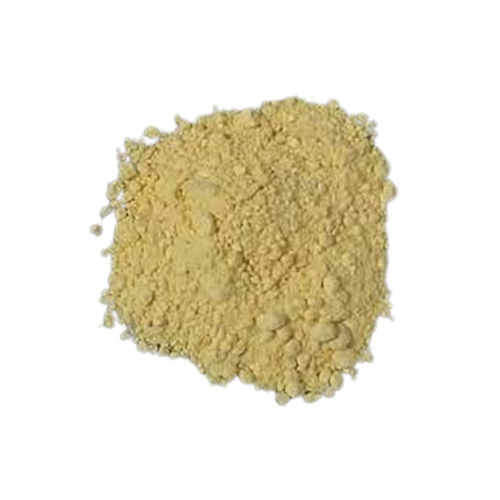
Ferric chloride is an orange to brown-black solid. It is slightly soluble in water. It is noncombustible. When wet it is corrosive to aluminum and most metals. Pick up and remove spilled solid before adding water.
Industrial Applications and VersatilityFerric Chloride Anhydrous is widely employed in water treatment for removing contaminants, as a catalyst in chemical synthesis, and in the etching of electronic circuit boards. Its strong oxidizing properties also make it valuable for metal finishing processes and pigment production. Thanks to its high purity and reliability, it is preferred for various technical and industrial-grade operations.
Safe Handling and Storage GuidelinesDue to its toxic and corrosive nature, Ferric Chloride Anhydrous must be handled with rigorous safety precautions. It should be stored in well-sealed HDPE or fiber drums, kept away from moisture, organic substances, and sources of ignition. Use protective gloves, goggles, and clothing when working with this compound, and ensure operations occur in well-ventilated areas to minimize exposure risks.
FAQ's of Ferric Chloride Anhydrous:
Q: How should Ferric Chloride Anhydrous be safely handled during industrial processes?
A: Ferric Chloride Anhydrous should be handled using personal protective equipment such as gloves, goggles, and chemical-resistant clothing. Ensure workspaces are well-ventilated and avoid contact with skin, eyes, or ingestion. Only trained professionals should manage its use, as it causes severe burns and is toxic.
Q: What are the main industrial applications of Ferric Chloride Anhydrous?
A: This compound is primarily used in water and sewage treatment, etching electronic circuit boards, metal surface finishing, pigment production, and as a catalyst in chemical reactions. Its strong oxidizing properties and high purity make it versatile in technical and manufacturing settings.
Q: When should Ferric Chloride Anhydrous be replaced or disposed of?
A: Ferric Chloride Anhydrous should be disposed of or replaced once it surpasses its shelf life of one year or if signs of moisture intrusion, contamination, or decomposition are detected. Disposal must comply with local hazardous waste regulations to minimize environmental harm.
Q: Where should Ferric Chloride Anhydrous be stored to maintain its stability?
A: Store the compound in a cool, dry place away from moisture, organic materials, sources of ignition, and incompatible chemicals such as strong bases and reducing agents. Use sealed HDPE or fiber drums to prevent moisture absorption and maintain product integrity.
Q: What benefits does Ferric Chloride Anhydrous offer in water treatment?
A: The compound effectively removes suspended solids, heavy metals, and other contaminants from water by coagulation and flocculation. Its rapid action and high efficiency contribute to cleaner, safer water in municipal and industrial settings.
Q: How does the packaging of Ferric Chloride Anhydrous ensure safety during transportation?
A: Ferric Chloride Anhydrous is packaged in durable HDPE or fiber drums designed to contain corrosive solids and prevent leaks. Customized packaging options may also be used to comply with specific transport regulations, ensuring the product is kept away from incompatible materials and moisture.
Q: What processes require the use of Ferric Chloride Anhydrous as a catalyst or reagent?
A: It serves as a catalyst in organic syntheses and various laboratory procedures due to its oxidizing ability, while its acidic nature makes it suitable as a reagent for etching metals and circuit boards in the electronics industry.






 Send Inquiry

